Understanding the Dark Ouija Board Single Eye Death Game: A Practical Guide
When it comes to digital design assets, the Dark Ouija Board Single Eye Death Game has gained attention for its unique aesthetic and thematic depth. Whether you're a graphic designer, content creator, or small business owner, this design file can add a dramatic visual element to your projects. However, like many specialized assets, it comes with specific considerations that users often overlook, leading to confusion or suboptimal results.
What Is the Dark Ouija Board Single Eye Death Game?
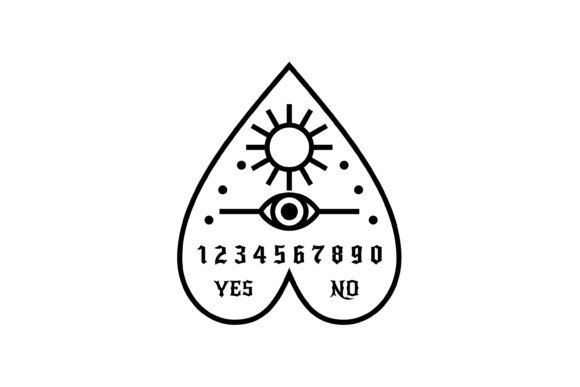
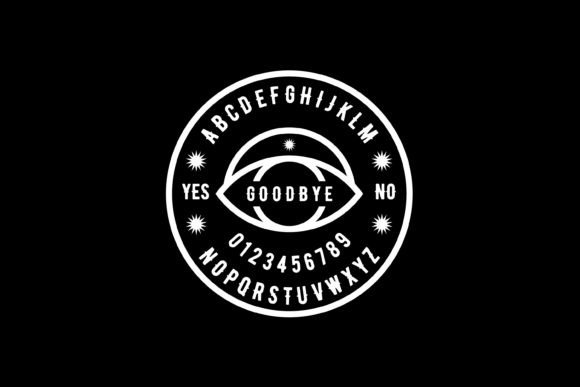
The Dark Ouija Board Single Eye Death Game is a downloadable design package typically used for themed visuals, merchandise, or digital content. It includes a zip file with an EPS 100 vector format and a JPG preview, making it suitable for both high-quality printing and digital use. The design often features a haunting, minimalist aesthetic centered around a single eye motif over a dark ouija board background—ideal for horror-themed branding, game art, or alternative fashion design.
Users are drawn to this design for its versatility and the intrigue it evokes. However, many who download it without fully understanding its structure or usage requirements end up facing avoidable issues.
Common Mistakes When Using the Dark Ouija Board Single Eye Death Game
Despite the appeal of the design, several common mistakes can diminish its value or create technical hurdles:
- Using the wrong software: The file is best opened with Adobe Illustrator or CorelDRAW. Attempting to edit it in incompatible programs like Photoshop (without converting to raster) or free vector tools may lead to formatting loss or inability to edit layers.
- Misunderstanding non-editable text: Some users expect to modify the title and tagline text directly, only to find out that the text is outlined and not editable. This can be a problem if you need to customize the wording for branding or localization.
- Overlooking the preview limitations: The JPG preview is useful for a quick look, but it doesn't reflect the full resolution or layer structure of the vector file. Relying solely on the preview can lead to disappointment when the file is opened in design software.
- Ignoring file compatibility: Not all versions of design software support EPS 100. Older versions of Illustrator or CorelDRAW may struggle to open the file correctly, especially if the system lacks the necessary updates.
How These Mistakes Impact Your Work
Each of these issues can affect different aspects of your project:
- Time loss: Trying to open the file in the wrong software can lead to wasted time troubleshooting or converting formats unnecessarily.
- Design quality: Using the JPG preview for print or large-scale digital use can result in pixelation and poor image quality.
- Branding inconsistency: If the text is non-editable and doesn’t match your brand tone or language, it may require recreating the text manually, which can be time-consuming and may not match the original font exactly.
- Compatibility issues: Opening the file in unsupported software can corrupt the layout or cause it to open incorrectly, leading to frustration and rework.
How to Avoid Common Pitfalls
To get the most out of the Dark Ouija Board Single Eye Death Game design file, follow these practical tips:
1. Confirm Software Compatibility
Before downloading or purchasing, ensure you have access to Adobe Illustrator or CorelDRAW. If you're unsure, many platforms offer a trial version you can use to test the file before committing.
2. Review the File Details
Read the description carefully. If the text is outlined, plan ahead if you need to make changes. You can manually retype the text in matching fonts (if available) or use online font identification tools to find a close match.
3. Use the Right File Type for the Right Purpose
Use the EPS file for editing and high-quality output, and the JPG only for previews or basic web use. Avoid using the JPG in print projects or when scaling beyond its original dimensions.
4. Test Before You Commit
If you're new to working with vector files or unfamiliar with EPS formats, download a sample or test file from the same creator to ensure everything opens and behaves as expected.
Realistic Examples of Better Approaches
Let’s look at two scenarios where a better understanding of the file could make a big difference:
Case 1: A T-shirt Designer
A small business owner wants to print the Dark Ouija Board Single Eye Death Game on t-shirts. They download the file but try to edit it in Canva, which doesn’t support EPS. After struggling for hours, they realize they need to open it in Illustrator first, make edits, and then export it as a PNG for Canva. By understanding the file type and workflow early, they could have saved time and avoided frustration.
Case 2: A Blogger Creating Halloween Content
A blogger downloads the design to use in a digital post. They see the JPG preview and assume it’s high-resolution. When they upload it to their site, the image looks blurry on large screens. Had they used the vector file and exported it at a higher resolution, the image would have scaled beautifully across devices.
Key Checks Before Downloading or Using the Design
Before you invest time or money into using the Dark Ouija Board Single Eye Death Game, make sure to verify the following:
- Software requirements: Do you have Illustrator or CorelDRAW installed?
- Text editability: Is the text outlined or live? Can you accept that, or will you need to recreate it?
- File format: Are you clear on which file to use for editing and which for previewing?
- Resolution and scalability: Will the design need to be resized for different uses (e.g., print, social media, merchandise)?
- Creator support: Does the designer offer help or updates if issues arise?
Final Thoughts
The Dark Ouija Board Single Eye Death Game can be a powerful visual asset when used correctly. Its dramatic aesthetic and professional-grade vector format make it a great choice for designers and creators looking to add a unique touch to their work. However, understanding the file’s structure, limitations, and best practices is crucial to avoiding common pitfalls.
By taking a few extra minutes to verify compatibility, file types, and intended use, you can ensure that your experience with this design is smooth, efficient, and visually impressive. And if you do find the file helpful, leaving a review or feedback can be a great way to support the creator and help others make informed decisions too.