Am-is-are Mining Card Game: A Strategic Tool for Grammar Fluency
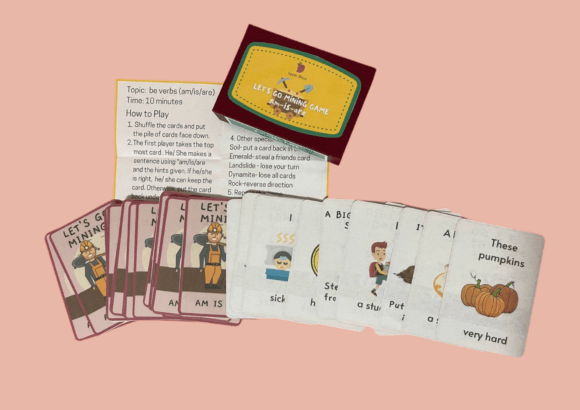
Mastering the correct use of am, is, and are is essential for clear, professional communication. The Am-is-are Mining Card Game offers a structured, engaging way to build automaticity and fluency in present simple forms of the verb "to be." Designed for adults seeking to improve their English grammar in a practical, memorable format, this game includes 40 cards across 11 pages, complete with instructions for gameplay and printing. More than just a grammar exercise, it's a strategic tool that supports learning through repetition, engagement, and contextual application.
Why Strategic Use of the Am-is-are Mining Card Game Matters
Language acquisition isn't just about memorization—it's about integration. The Am-is-are Mining Card Game helps players internalize grammar rules by applying them in real-time scenarios. Each card features prompts and hints that guide users to construct grammatically correct sentences using the correct form of the verb "to be." This method supports deeper learning by encouraging repeated, contextual use rather than passive study.
For professionals, educators, and content creators, fluency in basic grammar is non-negotiable. Misusing am, is, or are can undermine credibility, especially in written communication. By integrating the Am-is-are Mining Card Game into regular practice, users can reduce errors and improve clarity in emails, reports, marketing copy, and instructional materials.
How to Align the Game with Your Learning Goals
Effective learning begins with intention. To get the most out of the Am-is-are Mining Card Game, align its use with specific goals. Whether you're preparing for a presentation, editing content, or teaching English as a second language, the game can be adapted to support your objectives.
- Professional Communication: Use the game to refine sentence structure in business writing.
- Teaching Support: Integrate the cards into classroom instruction or tutoring sessions for interactive learning.
- Self-Paced Learning: Set weekly targets for gameplay to build consistent grammar habits.
By setting measurable goals—such as mastering 10 cards per session or reducing verb errors in writing by 20%—users can track progress and ensure the game delivers real value.
When and How to Use the Am-is-are Mining Card Game Strategically
The Am-is-are Mining Card Game is most effective when used as part of a broader language development strategy. Consider the following scenarios where the game can provide targeted support:
- Before Writing Projects: Play a quick round before drafting emails, proposals, or articles to activate grammar awareness.
- During Language Instruction: Teachers can use the game as a warm-up activity or review tool to reinforce daily lessons.
- As a Team-Building Exercise: Language learners or remote teams can use the game to improve communication while building rapport.
Approach the game with a structured mindset. For example, set a timer for 15-minute sessions, track progress in a journal, or pair gameplay with a related grammar lesson. This ensures that the game supports long-term learning rather than functioning as a one-off activity.
Key Considerations Before Relying on the Game
While the Am-is-are Mining Card Game is a valuable tool, it's not a standalone solution. Users should consider the following before incorporating it into their learning routine:
- Current Skill Level: Ensure the game aligns with your current proficiency. Beginners may benefit from pairing it with foundational grammar lessons.
- Learning Context: Determine whether the game complements your learning style. Some users may prefer visual aids or written exercises alongside gameplay.
- Long-Term Integration: Think about how the game fits into your ongoing language development plan. Will it be used weekly, monthly, or as a refresher?
Without clear context or complementary learning, the game may not yield the desired results. Treat it as one component of a comprehensive strategy rather than a magic fix.
Practical Examples and Strategic Observations
Let’s explore how different professionals can apply the Am-is-are Mining Card Game in real-world scenarios:
- Bloggers: Improve sentence clarity before publishing posts. Use the game as a pre-editing ritual to catch common verb errors.
- Freelancers: Enhance proposal writing and client communication by practicing with sentence prompts that mirror real-world usage.
- Small Business Owners: Train customer service teams to write more professionally using the game as a group activity.
Strategically, the game works best when embedded into existing workflows. For instance, a marketing team might play a quick round before crafting campaign copy to reinforce grammatical accuracy. Similarly, educators can use the game to assess student understanding in a low-pressure environment.
Planning Tips for Long-Term Value
To ensure the Am-is-are Mining Card Game delivers lasting benefits, consider these planning tips:
- Set Milestones: Track how many cards you've mastered and revisit challenging ones regularly.
- Combine with Other Tools: Use grammar apps, writing tools, or peer reviews alongside the game for a well-rounded approach.
- Customize the Experience: Add your own prompts or modify rules to suit your learning pace or group size.
Long-term success comes from consistent, intentional use. Treat the game not as a passive activity but as an active learning tool that evolves with your needs.
Understanding the Risks of Improper Use
Using the Am-is-are Mining Card Game without clear goals or context can lead to minimal impact or even reinforce incorrect patterns. For example, if players guess answers without understanding the rules, they may internalize mistakes. Similarly, treating the game as a one-time novelty rather than part of a structured plan limits its effectiveness.
To avoid these pitfalls, always pair gameplay with reflection. After each session, ask: What did I learn? What mistakes did I make? How can I apply this in real communication?
Intentional Use for Maximum Impact
The true value of the Am-is-are Mining Card Game lies in how intentionally it's used. Rather than randomly drawing cards, approach each round with a purpose. Focus on sentence structure, pronunciation, or even speed if you're preparing for spoken English.
Consider playing with a partner or mentor who can offer feedback. This transforms the game from a solo exercise into a collaborative learning opportunity. The goal is not just to win but to grow in grammatical fluency and confidence.