Arcade Game Monochrome Symbol: The Timeless Visual Language of Gaming
In the ever-evolving landscape of digital design and branding, the Arcade Game Monochrome Symbol has emerged as a powerful visual shorthand. Whether used in marketing materials, app interfaces, or merchandise design, this emblem—often a stylized joystick, pixelated controller, or abstract game icon—represents more than nostalgia. It encapsulates the enduring appeal of arcade culture and the universal recognition of gaming as a mainstream form of entertainment and creative expression.
What Is the Arcade Game Monochrome Symbol?
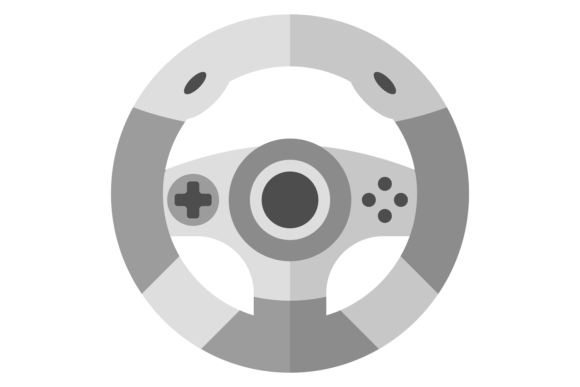
The Arcade Game Monochrome Symbol refers to a simplified, single-color or grayscale visual representation of classic arcade gameplay elements. It is often rendered in formats like EPS, JPG, SVG, or transparent PNG to ensure flexibility across digital and print media. These symbols are intentionally minimalist, designed to be instantly recognizable regardless of size or background.
Common variations include stylized joysticks, coin slots, arcade buttons, and even abstract shapes that evoke the essence of gameplay. Their monochrome nature makes them versatile for use in branding, UI design, and iconography where color neutrality or contrast is essential.
Why This Symbol Matters in Modern Design
In today’s fast-paced digital world, visual clarity and brand recognition are critical. The Arcade Game Monochrome Symbol bridges the gap between retro aesthetics and modern minimalism. Its simplicity allows it to be scaled down for mobile app icons or enlarged for event posters without losing impact.
For designers and developers, this emblem offers a way to communicate the concept of gaming or interactivity without relying on complex imagery. It’s a universal icon that transcends language and cultural barriers, making it ideal for global branding efforts in gaming, tech, and entertainment sectors.
Evolution of the Arcade Game Monochrome Symbol
The origins of the monochrome gaming symbol trace back to the early days of arcade machines, where limited screen resolution and color palettes forced designers to rely on bold, simplified graphics. Over time, these visual motifs became embedded in the collective consciousness of gamers and designers alike.
As technology advanced, color displays and 3D graphics took center stage. However, the minimalist aesthetic never fully disappeared. In fact, it has seen a resurgence in recent years, especially in indie game design, UI/UX iconography, and branding for retro-themed events and products.
Today, the Arcade Game Monochrome Symbol is not just a nostalgic throwback—it’s a deliberate design choice that signals authenticity, simplicity, and a connection to gaming’s roots.
Integration into Contemporary Workflows and Trends
Modern creators—from app developers to marketers—are increasingly turning to monochrome symbols for their clean, scalable, and adaptable nature. In UI design, these icons are used to represent game-related functions without overwhelming the user interface. In branding, they offer a subtle yet powerful way to evoke the spirit of arcade culture.
- App Development: Many mobile games and platforms use monochrome arcade symbols in their navigation menus and settings to indicate gameplay-related features.
- Event Branding: Retro gaming expos and arcade-themed parties often incorporate these symbols into logos, tickets, and promotional materials.
- Merchandise Design: Apparel, stickers, and accessories featuring the Arcade Game Monochrome Symbol appeal to both gamers and design enthusiasts.
Moreover, with the rise of minimalist and flat design trends, the symbol has found renewed relevance in professional and creative fields beyond gaming. It’s a versatile visual asset that aligns with modern design principles while maintaining a strong emotional resonance.
Practical Uses for Professionals and Creators
Whether you’re a freelance designer, a startup founder, or a content creator, understanding how to effectively use the Arcade Game Monochrome Symbol can enhance your visual communication strategy. Here are some practical applications:
- Logo Design: Incorporating a monochrome arcade symbol into a logo can signal playfulness, innovation, and a nod to classic gaming culture—ideal for tech startups or creative studios.
- Website Icons: Use the symbol as a favicon or navigation icon for sections related to gaming, interactivity, or entertainment.
- Print and Merchandise: The high-contrast nature of the symbol makes it ideal for printing on t-shirts, posters, and promotional items.
- UI/UX Elements: In digital products, these symbols can represent game settings, achievements, or interactive features without adding visual clutter.
When sourcing these symbols, look for versions in EPS, SVG, or transparent PNG formats to ensure scalability and adaptability across platforms and devices.
Choosing the Right Format for Your Needs
The Arcade Game Monochrome Symbol comes in several file types, each suited to specific use cases:
- SVG: Ideal for web use, as it scales without loss of quality and can be manipulated with CSS or JavaScript.
- EPS: Best for high-quality print materials, especially when working with professional designers or printers.
- JPG: Suitable for general use, though not ideal for scaling due to compression artifacts.
- Transparent PNG: Perfect for overlaying on websites, apps, or layered design projects where background visibility is needed.
Always ensure you have the appropriate licensing for commercial use, especially if you're incorporating the symbol into branded materials or products.
Designing with Meaning and Purpose
While the Arcade Game Monochrome Symbol may seem like a small design element, its impact can be significant. It’s more than just an icon—it’s a symbol of a cultural shift toward embracing simplicity, nostalgia, and meaningful design.
For creators and businesses, integrating this symbol thoughtfully can help establish a visual identity that resonates with audiences who value both innovation and heritage. It speaks to a generation that grew up with arcades and now appreciates design that is both functional and emotionally evocative.
In a world increasingly dominated by complex interfaces and high-resolution visuals, the monochrome arcade symbol reminds us that sometimes, less truly is more.