Board Game Dice: Role Playing Different
Board game dice, particularly those used in role-playing contexts, are more than just random number generators. They serve as critical tools in shaping gameplay, storytelling, and decision-making in a wide variety of games. From classic six-sided cubes to complex polyhedral sets, these dice are essential for creating dynamic experiences in board games, RPGs (role-playing games), and even in strategic planning for business or creative workflows. Understanding how to effectively use and integrate these dice into different processes can enhance not only gameplay but also planning and execution in other areas of life and work.
Understanding the Role of Dice in Role-Playing and Board Games
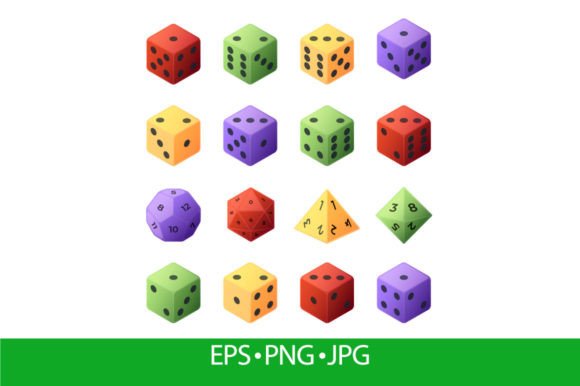
In role-playing games like Dungeons & Dragons, dice are used to simulate chance, determine outcomes, and inject unpredictability into the narrative. The term Role Playing Different refers to the variety of dice used beyond the standard six-sided die, such as d4, d6, d8, d10, d12, and d20. These different dice serve distinct functions, from determining damage in combat to resolving skill checks and narrative choices. Each die adds a layer of probability that affects the game’s flow and the players’ strategies.
For board game enthusiasts and creators, understanding the role of these dice is crucial for designing balanced and engaging gameplay. Dice mechanics influence pacing, tension, and player agency. A well-placed roll can turn the tide of a game, making the experience more immersive and memorable.
Integrating Dice into Creative and Strategic Workflows
While dice are traditionally associated with gaming, their utility extends into creative and strategic workflows. For instance, writers and game designers often use dice as a tool for brainstorming. Rolling a d20 to determine a character’s motivation or a plot twist can help break through creative blocks. Similarly, marketers and entrepreneurs might use dice-based decision trees to evaluate risk or prioritize tasks based on randomized probabilities.
- Preparation: Before launching a project or campaign, teams can use dice to simulate possible outcomes and build contingency plans.
- Execution: During implementation, dice can be used to gamify progress, assign roles randomly, or determine the order of tasks in a sprint.
- Review: After a project wraps up, dice can help assess performance by assigning values to different metrics and rolling for a final score or rating.
This approach adds a tactile, interactive element to planning and decision-making, making it more engaging for participants.
Practical Implementation: How to Use Dice Effectively
Using dice effectively requires more than just understanding probability. It involves integrating them into your process in a way that enhances clarity, engagement, and efficiency. Here are some practical tips:
- Choose the Right Dice: Not all dice are created equal. For role-playing, a full polyhedral set (d4, d6, d8, d10, d%, d12, d20) is ideal. For business or creative use, standard six-sided dice may suffice unless you want to add complexity.
- Create a Dice-Based Framework: Develop a simple system where each die corresponds to a category or decision type. For example, a d6 could represent project phases, and a d10 could correspond to risk levels.
- Combine with Other Tools: Dice work well alongside whiteboards, spreadsheets, or project management software. For instance, rolling a die to determine which feature to prototype next can be logged in a Trello board or Asana task list.
- Document Outcomes: Keep track of dice-driven decisions and their results. This helps refine the process over time and provides data for future planning.
By treating dice as part of a broader toolkit, users can leverage randomness in a structured and meaningful way.
Organizing and Managing Your Dice Collection
Whether you’re a game designer, a hobbyist, or someone integrating dice into your workflow, maintaining an organized dice collection is important for efficiency and usability. Here are some best practices:
- Use Dice Trays or Cases: These help prevent dice from rolling off the table and keep them organized by type or color.
- Label and Sort: If you use dice for multiple purposes (e.g., gaming, brainstorming, team-building), consider labeling them or sorting them into separate containers.
- Backup Sets: Always have a few extra dice on hand in case of loss or damage, especially if you're using them in a professional setting.
- Digital Alternatives: For remote teams or digital workflows, consider using dice-rolling apps or online simulators that replicate the physical experience.
A well-maintained dice collection ensures that you can focus on the process rather than logistics.
Quality and Long-Term Use
When investing in dice, especially for repeated use in professional or creative settings, quality matters. Look for dice that are well-balanced, clearly marked, and made from durable materials like acrylic or resin. High-quality dice ensure fairness and consistency, which is important whether you’re running a game session or making strategic decisions.
For long-term integration, consider updating your dice collection as your needs evolve. You may find that certain dice types become more useful than others, or that adding specialty dice (like percentile or Fudge dice) enhances your process further.
Visual and Design Applications of Dice
From a design perspective, board game dice are also valuable assets in visual content creation. Vector polyhedral dice sets are widely used in illustrations, marketing materials, and digital graphics related to gaming, education, and entertainment. These assets are available in EPS, PNG, and JPEG formats, making them compatible with a variety of design software and platforms.
For bloggers, educators, and marketers, incorporating high-quality dice images into infographics, blog posts, or social media visuals can help explain game mechanics, highlight product features, or add visual interest to content. Using realistic, colorful dice graphics can also enhance branding for gaming-related businesses or educational tools.
Conclusion: Making Dice a Part of Your Process
Whether you're a game designer, entrepreneur, educator, or creative professional, Board Game Dice: Role Playing Different can offer more than just entertainment. They can be powerful tools for decision-making, creativity, and workflow optimization. By understanding their function, integrating them into your process, and maintaining a quality collection, you can harness the power of randomness to improve your planning, execution, and outcomes. With the right approach, dice can become a seamless and valuable part of your professional or personal toolkit.