Game in Progress Don't Talk to Me Until I Die: A Creative Workflow Tool for Focused Execution
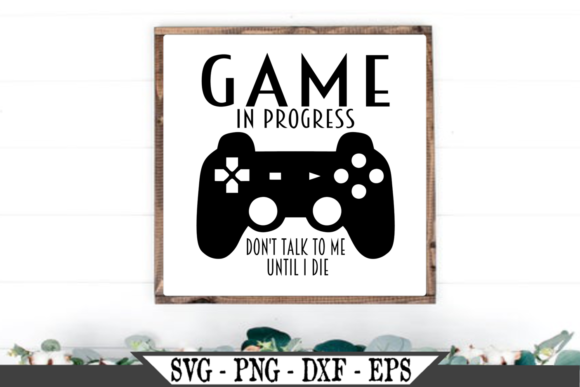
For professionals, creators, and productivity-minded individuals, maintaining focus during a project can be one of the biggest challenges in workflow efficiency. The phrase "Game in Progress Don't Talk to Me Until I Die" has evolved from a humorous gaming expression into a practical mindset for deep work. When transformed into a set of digital assets — including SVG, PNG, DXF, and EPS files — this concept becomes more than a mantra; it becomes a tangible part of a focused, distraction-free creative environment.
Understanding the Concept and Its Role in Workflow
The phrase itself reflects a need for uninterrupted concentration. Whether you're designing a logo, coding a website, or planning a marketing campaign, entering a state of flow is essential for productivity. The "Game in Progress" mindset helps users mentally and visually establish boundaries around their work time. The digital files associated with this phrase are not just decorative elements — they serve as visual cues that support a focused workspace, especially when shared in collaborative environments or used as signage in home offices.
These files — SVG for scalability, PNG with transparent background for overlay use, DXF for laser cutting or CNC applications, and EPS for vector-based editing — are designed for flexibility. They can be integrated into physical and digital environments to reinforce a no-interruption zone. For creators and entrepreneurs, this kind of visual boundary setting can be an effective tool in managing workflow expectations with others.
Using the Files in Different Stages of a Project
The utility of these files extends beyond decoration. They can be implemented at various stages of a project or task to support a focused mindset:
- Before a task: Print the PNG or SVG file and place it in your workspace as a visual signal to yourself and others that you're entering a focused work session.
- Durring execution: Use the transparent PNG version as an overlay in digital workspaces or video conferencing backgrounds to subtly communicate that you're in a deep work state.
- After completion: Incorporate the design into a progress tracker or reward system — a small but satisfying way to acknowledge deep work sessions.
These uses are especially valuable for remote workers, freelancers, and educators who often juggle multiple roles and need clear visual boundaries to maintain productivity.
Integration with Other Tools and Platforms
One of the strengths of the Game in Progress Don't Talk to Me Until I Die digital files is their compatibility with a wide range of tools and platforms. Here's how they can fit into different environments:
- Design software: Use the SVG or EPS file in Adobe Illustrator, Inkscape, or Canva for custom signage, stickers, or motivational posters.
- Print and physical projects: The DXF file allows for easy integration with laser cutters or 3D modeling software, making it suitable for physical office signs or creative DIY projects.
- Remote work setups: The transparent PNG file can be layered into virtual backgrounds for Zoom, Teams, or Google Meet, offering a professional yet personality-driven way to communicate focus.
- Task management systems: Embed the design into digital dashboards using tools like Notion or Trello to represent focused work blocks or deep work sprints.
This flexibility ensures that the files can be part of both analog and digital workflows, adapting to the user's environment and preferences without requiring technical expertise.
Practical Implementation Tips
Here are some practical ways to integrate the Game in Progress Don't Talk to Me Until I Die files into your daily routine:
- Workspace customization: Print or display the design in your workspace to signal to others (or remind yourself) that you're in a deep work mode. This is especially useful for those working from home with family or roommates.
- Time blocking: Pair the use of the file with time management techniques like the Pomodoro method. Display the design on your screen or desk during focused intervals.
- Team communication: If you're part of a team, share the PNG file as a virtual status indicator in Slack, Microsoft Teams, or other collaboration platforms to show availability.
- Creative projects: Use the design as part of a larger branding or motivational package for your business or personal brand — especially relevant for content creators, podcasters, and influencers who need to manage their creative time effectively.
By aligning the visual presence of these files with your existing habits, you can reinforce a culture of focus and intentional work without disrupting your established routines.
Considerations for Long-Term Use and Organization
Like any digital asset, proper organization and management of these files will ensure their continued usefulness. Here are some best practices:
- File naming: Use clear, descriptive names such as "game-in-progress-sign-sv" or "do-not-disturb-dxf" to make them easy to locate in your digital library.
- Folder structure: Store them in a dedicated "workspace visuals" or "focus tools" folder for quick access across different projects.
- Backup: Ensure the files are backed up in cloud storage or local drives to prevent loss, especially if they're integrated into regular workflows.
- Variations: Consider creating alternate versions (e.g., smaller sizes, different color schemes) for different use cases, such as mobile notifications or physical stickers.
By treating these files as part of your productivity toolkit rather than just aesthetic assets, you can maximize their long-term value and integration into your work environment.
Final Thoughts on Workflow Integration
The Game in Progress Don't Talk to Me Until I Die files are more than just a humorous design — they represent a mindset shift toward intentional, focused work. Whether you're a small business owner managing multiple tasks, a creator working on a deadline, or a remote professional navigating distractions, these files can serve as a practical tool for boundary setting and workflow reinforcement.
When used thoughtfully, they blend into your environment without requiring constant attention, yet provide a subtle but effective reminder of your current state of focus. Their compatibility with both digital and physical tools makes them versatile, and their ease of implementation ensures they can become a seamless part of your productivity strategy.