Game UI Elements and Mobile App Interface Design: A Practical Guide for Developers and Designers
Understanding Game UI Elements and Mobile App Interface Design
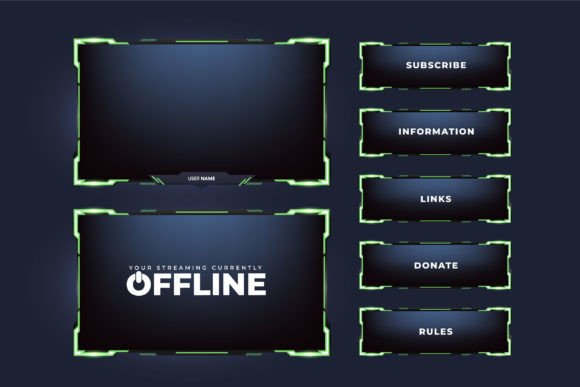
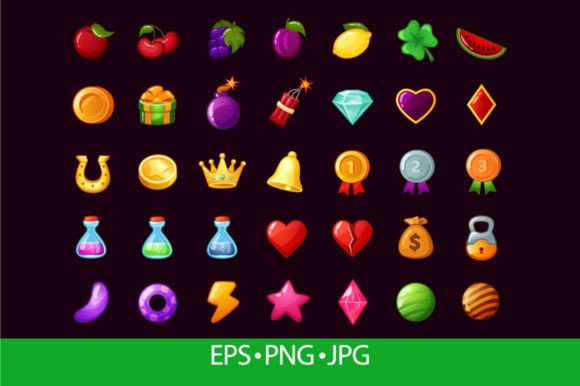
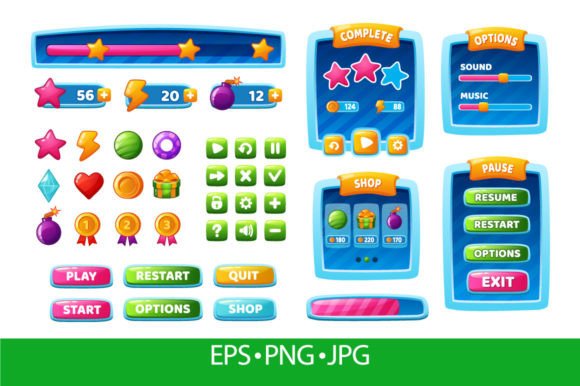
Game UI elements and mobile app interface design refer to the visual components and interactive features used in digital applications and video games to enhance user experience. These include buttons, icons, panels, menus, and graphical assets like stars, hearts, and diamonds. Whether you're developing a mobile game or a utility app, a well-crafted interface plays a crucial role in usability, engagement, and overall product success.
Designers often rely on pre-made sets of UI elements—such as cartoon-style GUI assets or vector-based interface kits—to streamline the development process. These sets typically include level-complete screens, pause menus, options panels, and other essential components, available in multiple formats like EPS, PNG, and JPEG.
Why Game UI Elements and Mobile App Interfaces Matter
For developers and designers, choosing the right UI elements is more than an aesthetic decision—it's a strategic one. The right interface can make an app or game intuitive and enjoyable, while poor design can lead to user frustration and abandonment.
Those who are researching or comparing UI design tools often look for ready-to-use assets to save time and maintain visual consistency. This is especially true in indie game development or small-scale app creation, where resources may be limited but the need for professional results is high.
Benefits of Using Pre-Designed UI Elements
- Time Efficiency: Ready-made UI sets reduce the need for custom design work, allowing developers to focus on core functionality and gameplay.
- Consistency: Using a unified set of icons, buttons, and panels ensures visual harmony across the entire application or game.
- Cost-Effectiveness: Purchasing or licensing a UI pack is often more affordable than hiring a designer to create assets from scratch.
- Scalability: Vector-based formats like EPS allow for easy resizing without loss of quality, making them ideal for multiple screen sizes and resolutions.
Tradeoffs and Considerations
While pre-designed UI elements offer many advantages, they also come with potential downsides. One of the main concerns is originality—using widely available assets may lead to a generic look that doesn't stand out in a crowded market. Additionally, not all UI packs are created equal; some may lack the customization options or specific features needed for a particular project.
Developers must also consider compatibility. For example, a UI set designed for Unity may not integrate seamlessly with Unreal Engine. File formats matter too: JPEGs may be unsuitable for transparent backgrounds, while PNGs can increase app size if used excessively.
When This Approach Works Best
Pre-designed UI elements are particularly well-suited for:
- Indie Game Development: Small teams or solo developers who need to create polished experiences quickly.
- Prototyping: Early-stage development where the focus is on testing functionality rather than final visuals.
- Mobile App Development: Applications that require a clean, user-friendly interface across various devices and screen sizes.
- Non-Designers: Programmers or content creators without formal design training who still want professional-looking results.
In these cases, using a well-vetted UI set can significantly accelerate the development timeline without compromising quality.
When Alternatives May Be Better
There are scenarios where custom UI design or alternative approaches may be more appropriate:
- Brand Identity: If a unique visual identity is critical to the product’s success, off-the-shelf UI elements may fall short.
- High-End Projects: AAA games or premium apps often require tailored interfaces that reflect the scale and polish of the product.
- Specific Feature Needs: Some projects may require unconventional UI behaviors or interactions not supported by standard asset packs.
- Long-Term Scalability: If the app or game is expected to evolve significantly, a flexible, custom UI system might be more sustainable.
Key Features to Look for in UI Sets
When evaluating UI packs or interface design tools, consider the following features:
- Comprehensive Coverage: Does the set include all essential elements like menus, buttons, icons, and HUD components?
- File Formats: Are multiple formats (EPS, PNG, JPEG) included to suit different use cases?
- Customizability: Can colors, shapes, and layouts be easily modified to fit your project’s style?
- Licensing: Is the pack suitable for commercial use? Are there attribution requirements?
- Support and Updates: Is the creator actively maintaining the asset pack and providing support?
Practical Insights for Decision-Making
Before selecting a UI set or interface design approach, ask yourself the following questions:
- What is the scope and timeline of the project?
- Do I have the design skills or resources to create custom UI elements?
- Is visual uniqueness a key selling point for my app or game?
- Will the UI need to scale across multiple platforms or device types?
- Am I working within a tight budget or with limited development time?
Answering these honestly can help determine whether a pre-designed UI set is the right choice or if a more tailored solution is needed.
Conclusion: Aligning UI Choices with Your Goals
Game UI elements and mobile app interface design are foundational to creating engaging, functional digital products. Whether you're building a casual mobile game or a productivity app, the interface you choose will directly impact user satisfaction and retention.
Pre-made UI sets offer a practical, cost-effective solution for many developers, especially those with limited time or design expertise. However, they are not a one-size-fits-all answer. Each project must be evaluated based on its unique needs, target audience, and long-term goals.
By understanding the strengths and limitations of available tools—and considering how they align with your vision—you can make an informed decision that supports both your creative and business objectives.