Green Grass with Gray Rock: Game Landscape Design Essentials
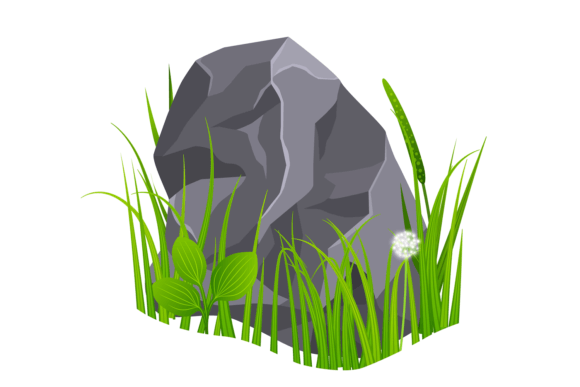
Green Grass with Gray Rock. Game Landsca is more than just a visual asset — it's a versatile and practical element for game developers, designers, and digital creators. Whether you're building immersive environments for indie games, crafting marketing visuals, or designing educational simulations, this landscape element offers a balanced blend of natural texture and visual contrast. Its clean isolation on white backgrounds in formats like EPS, JPG, SVG, and transparent PNG makes it ideal for both 2D and 3D applications.
What Makes Green Grass with Gray Rock Stand Out?
This landscape component combines two fundamental visual elements: lush green grass and neutral gray rock formations. The contrast between vibrant organic life and rugged terrain adds depth and realism to game environments. Whether used as a ground layer, background texture, or interactive terrain feature, it enhances the visual storytelling of digital worlds.
Its availability in multiple file formats ensures flexibility. Vector formats like SVG maintain crisp detail at any scale, while transparent PNGs allow seamless integration into layered compositions. JPG versions offer fast load times for web and mobile use, and EPS files suit print and high-resolution production needs.
Key Characteristics and Strengths
- Visual Contrast: The interplay between green and gray adds dimension and visual interest.
- Scalability: Vector formats maintain quality at any size, making it suitable for everything from mobile UI to large-scale banners.
- Compatibility: Works across design tools like Photoshop, Illustrator, Blender, Unity, and Unreal Engine.
- Modularity: Can be tiled, layered, or combined with other assets to build expansive environments.
Practical Applications Across Industries
The versatility of Green Grass with Gray Rock. Game Landsca extends beyond gaming. Here's how different professionals can benefit from integrating this asset:
Game Development
For indie and AAA developers alike, terrain diversity is crucial for immersion. This landscape element can serve as a foundational tile in open-world games, a detail layer in puzzle environments, or even a base for dynamic weather effects. When paired with dynamic lighting, the gray rock can reflect shadows and ambient color shifts, enhancing realism.
Use case: A survival game set in a temperate biome might use this asset as a recurring terrain type, offering players a familiar visual cue while subtly signaling resource availability — such as grassy patches for foraging and rocky areas for mining.
Marketing and Branding
Marketers promoting outdoor brands, adventure apps, or eco-conscious products can use this asset in promotional visuals. Its natural aesthetic aligns with themes of exploration, sustainability, and rugged beauty. Transparent PNGs work well for overlaying on landing pages or social media templates without background interference.
Example: A camping gear brand could feature this landscape in a hero banner to evoke a sense of wild adventure while maintaining a clean, modern layout.
Educational Content
Educators and e-learning designers can use Green Grass with Gray Rock. Game Landsca to illustrate geography lessons, environmental science modules, or virtual field trips. The asset's clarity and defined features make it easy to annotate and integrate into interactive learning platforms.
Application: In a lesson on erosion, the gray rock can visually represent exposed terrain while the green grass shows vegetated areas, helping students understand environmental changes over time.
Creative and Digital Art
Digital artists and illustrators can layer this element into concept art, digital paintings, or collage-style compositions. Its realistic texture adds authenticity to stylized environments, especially when blending hand-drawn elements with digital assets.
Tip: Combine this landscape with fog overlays or lighting effects to create mood in fantasy or sci-fi scenes without overcomplicating the base layer.
Benefits Across Use Cases
Integrating Green Grass with Gray Rock. Game Landsca into your projects brings multiple benefits:
- Improved Visual Cohesion: Acts as a transitional element between forested and rocky zones in game worlds.
- Time Savings: Ready-to-use files eliminate the need to create terrain textures from scratch.
- Enhanced Realism: Natural textures ground digital environments, making them feel more immersive.
- Brand Consistency: In commercial projects, repeated use of the same asset can reinforce visual identity.
Real-World Implementation Tips
To get the most out of this asset, consider the following:
- Layer Strategically: Use grass as a foreground element and rock as a midground or background feature to create depth.
- Optimize for Performance: For web and mobile use, compress JPG files without sacrificing clarity to maintain fast load times.
- Customize Color: Adjust the green and gray tones to match the color palette of your project using adjustment layers or shaders.
- Test in Context: Preview the asset within your game engine or design software to ensure it scales and interacts well with other elements.
Choosing the Right Format
Each format serves a specific purpose:
- SVG: Best for scalable vector graphics, especially in UI design or responsive web layouts.
- Transparent PNG: Ideal for overlays, animations, and compositing in both digital and print media.
- JPG: Suitable for high-quality raster images where file size matters, such as web banners or texture maps.
- EPS: Preferred for print-ready materials and professional design workflows requiring vector precision.
Always consider the end use before selecting a format. For example, a Unity developer might prefer PNG for texture atlases, while a motion designer might opt for SVG for smooth scaling in After Effects.
Final Thoughts
Green Grass with Gray Rock. Game Landsca is a foundational asset that bridges the gap between natural aesthetics and functional design. Whether you're crafting a game world, designing a website, or developing educational content, this landscape element offers flexibility, realism, and ease of use. By understanding its strengths and integrating it thoughtfully, you can enhance both the visual appeal and practical utility of your digital projects.