X and Heart Game in the Math Notebook: A Creative Fusion of Love and Logic
More Than Just a Game: Where Emotion Meets Strategy
The X and Heart Game in the Math Notebook is a clever twist on the classic Tic-Tac-Toe, blending emotional symbolism with mathematical thinking. Designed for those who appreciate both logic and aesthetics, this game uses hearts and Xs instead of the standard X and O. It's not just a way to pass time—it's a thoughtful exercise in pattern recognition, planning, and emotional expression, especially popular around Valentine’s Day or in creative educational settings.
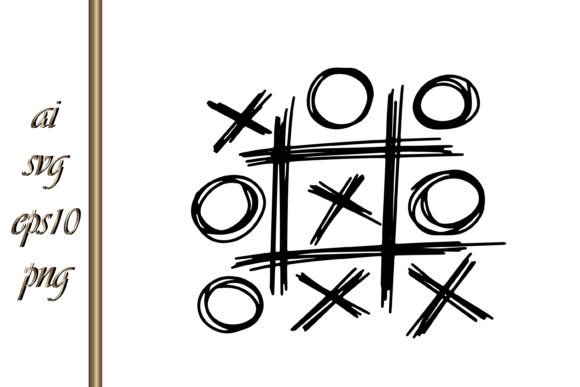
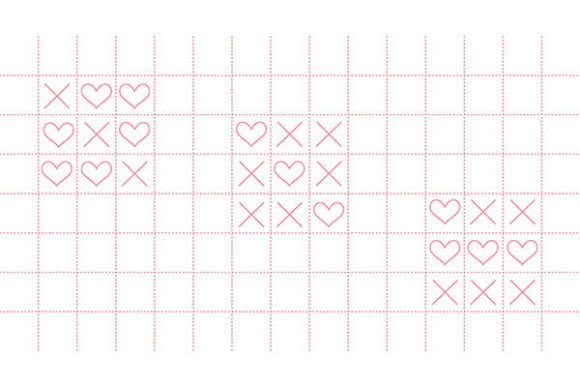
At its core, the game retains the familiar 3x3 grid structure. But instead of marking boxes with Xs and Os, players use hearts and Xs, subtly reinforcing themes of affection and competition. This small change adds a layer of emotional resonance, making it a favorite among educators, designers, and marketers looking to connect with audiences in a more personal way.
Key Features That Make It Stand Out
- Symbolic Design: The use of hearts and Xs gives the game a dual purpose—both a mental challenge and a visual metaphor for love and decision-making.
- Versatile Application: Whether in a math notebook, a greeting card, or a digital interface, the game adapts well to various formats and audiences.
- Visual Appeal: The clean, minimal design works well in black and white or color, especially with red hearts and bold Xs for contrast.
- Educational Value: Encourages logical thinking, planning, and understanding of basic game theory in a playful context.
- Emotional Engagement: Ties emotional concepts like love and connection into a structured game format, enhancing relatability.
Why It Works Across Multiple Contexts
One of the most compelling aspects of the X and Heart Game in the Math Notebook is its adaptability. It’s not limited to a single use case. Here’s how it can be applied across different environments:
1. Educational Use: Teaching Strategy and Symbolism
In classrooms, especially in math or art classes, this game serves as a hands-on tool to teach pattern recognition, symmetry, and even emotional intelligence. Teachers can use it to spark discussions about symbolism in design or the psychology behind game choices.
For example, a teacher might ask students to analyze how changing symbols affects gameplay perception or design their own version using different icons like stars, arrows, or even company logos.
2. Creative and Artistic Applications
Graphic designers and illustrators often incorporate the X and Heart motif into greeting cards, wedding invitations, or social media graphics. The grid layout provides a clean, structured base for creative compositions. Artists may use hand-drawn doodles or digital brush elements to give it a more personal or vintage feel.
Its abstract nature also makes it ideal for minimalist design projects. A banner with alternating hearts and Xs can serve as a stylish background for a Valentine’s Day promotion or a wedding website.
3. Digital and Marketing Integration
Marketers have found clever ways to integrate the X and Heart Game in the Math Notebook into campaigns. Interactive versions on websites or apps engage users with playful, emotionally charged content. For instance, a dating app might use a mini-game version to encourage user interaction or a brand might embed it in an email newsletter as a fun quiz format.
The symbolic nature of the game also aligns well with branding strategies. Using Xs and hearts in a game format can subtly reinforce brand messages around love, trust, or decision-making—especially relevant for wedding planners, relationship coaches, or lifestyle brands.
4. Business and Team-Building
Professionals in creative industries can use the game as a brainstorming tool or team-building activity. It encourages strategic thinking and collaboration, especially when teams are asked to create variations or themed versions of the game.
For example, a marketing team might play a version where each square represents a customer persona, and choosing a square involves crafting a short pitch. This turns a simple game into a dynamic ideation exercise.
Practical Tips for Using and Customizing the Game
If you're considering using the X and Heart Game in the Math Notebook in your work or personal projects, here are a few practical considerations:
- Choose the Right Medium: Whether you're sketching in a notebook, creating a digital illustration, or designing a print card, the medium should match your audience and purpose. Hand-drawn sketches feel more personal, while vector illustrations offer scalability and clarity.
- Keep It Simple: The beauty of this game lies in its simplicity. Avoid overcomplicating the design unless the goal is artistic expression or branding integration.
- Think About Color: Red hearts and black Xs are classic, but don’t be afraid to experiment with other palettes. Pastels for a softer feel, metallics for luxury branding, or monochrome for a minimalist look can all work well.
- Use It as a Template: The 3x3 grid is a great base for more complex games or content layouts. You can expand it into a 5x5 version or use it as a visual grid for arranging content on a page or screen.
- Encourage Customization: Let users or students personalize their grids with doodles, stickers, or handwritten notes. This makes the game more engaging and memorable.
Final Thoughts: A Game That Goes Beyond the Grid
The X and Heart Game in the Math Notebook is more than a playful alternative to Tic-Tac-Toe. It's a versatile tool that bridges the gap between logic and emotion, structure and creativity. Whether you're a teacher, a designer, a marketer, or just someone who appreciates thoughtful design, this game offers a unique way to engage with both the mind and the heart.
From classroom exercises to digital marketing campaigns, its applications are as varied as the people who use it. And because of its simple yet symbolic nature, it continues to inspire new interpretations and adaptations—proving that sometimes, the most powerful ideas come in the simplest forms.