Cartoon Rock: A Creative Asset for Game Designers and Visual Storytellers
Visual consistency and efficiency are essential in game design and digital illustration. Cartoon Rock, as a landscape element, offers a versatile and stylized solution for creators working on 2D games, animated scenes, or illustrative projects. Whether you're building a whimsical adventure world or designing a stylized background for a mobile game, Cartoon Rock can serve as a foundational visual component that enhances both aesthetics and workflow.
Understanding Cartoon Rock as a Game Design Element
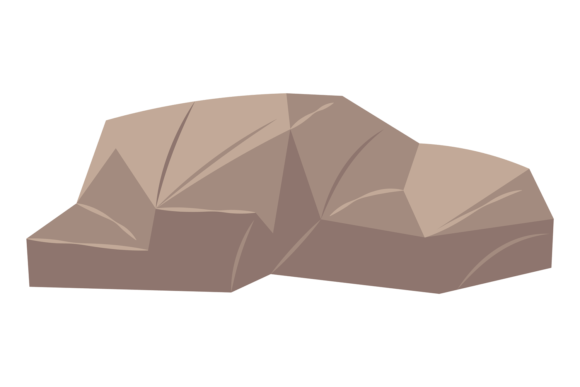
Cartoon Rock refers to a stylized, simplified representation of natural rock formations, typically rendered in a playful, non-photorealistic manner. These assets are often part of a larger set of landscape elements used in 2D game development and digital illustration. The term “Game Sc” indicates that these graphics are specifically designed for use in game scenes, ensuring they align with the technical and artistic standards required for interactive media.
When you see a Cartoon Rock labeled as a “landscape element,” it means it’s intended to be part of terrain, scenery, or environmental storytelling within a game or visual project. These rocks are often provided in isolated formats—such as EPS or JPG files—on a white background, making them easy to integrate into various design software and game engines.
How Cartoon Rock Enhances Game Development
Using Cartoon Rock as a design element can significantly streamline the asset creation process. Instead of modeling or drawing every rock from scratch, developers and illustrators can incorporate pre-made, high-quality assets that maintain visual harmony across a project. This is especially useful in indie game development, where time and resources are often limited.
- Time-saving: Pre-designed Cartoon Rocks reduce the need for custom modeling or illustration, allowing creators to focus on gameplay mechanics or narrative development.
- Consistency: Stylized rocks ensure that all landscape elements share a cohesive look, which is crucial for maintaining immersion in games and animations.
- Flexibility: Because these rocks are isolated on white backgrounds, they can be easily layered, recolored, or modified to fit different environments, from deserts to fantasy realms.
Who Benefits Most from Cartoon Rock Assets?
Cartoon Rock is especially valuable to game developers, digital illustrators, and visual storytellers who need to build engaging, stylized environments quickly. Indie game creators, in particular, benefit from using ready-made assets that don’t compromise artistic integrity. Designers working on mobile games, children’s apps, or educational simulations often find that Cartoon Rock elements help maintain a friendly, approachable aesthetic.
Bloggers and educators creating visual tutorials or instructional materials can also use these assets to demonstrate design principles or scene composition without needing advanced illustration skills. Entrepreneurs developing digital products—like printable art packs or digital kits—can include Cartoon Rock elements to provide value to their audience while maintaining a professional look.
Use Cases and Practical Applications
Consider a mobile game developer working on a side-scrolling adventure game. Instead of spending hours drawing rocks for each level, they can use Cartoon Rock assets to populate the environment efficiently. These assets can be scaled, rotated, and combined to create diverse terrain without repetitive patterns.
In a different scenario, a digital artist creating a children’s book might use Cartoon Rock to build a stylized landscape that matches the book’s playful tone. The isolated JPG format makes it easy to import into design software like Photoshop or Illustrator, where the artist can blend the rocks with other elements seamlessly.
For educators teaching game design or digital illustration, Cartoon Rock can serve as a practical example of how modular assets contribute to efficient scene building. Students can experiment with layering and lighting effects using these elements, gaining hands-on experience in visual storytelling and asset integration.
Choosing the Right Cartoon Rock Assets
Not all Cartoon Rock assets are created equal. When selecting assets for your project, consider the following factors:
- File Format: EPS files offer scalability without loss of quality, making them ideal for vector-based design. JPG files are suitable for quick integration into raster-based projects but may require more careful resizing.
- Style Consistency: Ensure the Cartoon Rock matches the overall visual style of your project. A mismatched aesthetic can break immersion or make your environment feel disjointed.
- Resolution: High-resolution assets are essential, especially if your project will be viewed on large screens or in high-definition formats.
Some asset packs offer variations in size, color, and texture, which can add depth and realism to your environment. When possible, opt for packs that include multiple rock types and angles to avoid repetition in your scenes.
Limitations and Considerations
While Cartoon Rock assets are incredibly useful, they are not a one-size-fits-all solution. For projects requiring hyper-realistic environments or unique geological formations, custom modeling or photography may be necessary. Additionally, relying too heavily on pre-made assets without customization can lead to a generic look.
It’s also important to verify licensing when using Cartoon Rock assets. Some assets are available under creative commons or free-use licenses, while others require purchase or attribution. Always check the terms of use to ensure compliance, especially if your project is commercial.
Maximizing the Value of Cartoon Rock in Your Projects
To get the most out of Cartoon Rock elements, consider combining them with other landscape assets like trees, grass, or water elements to create layered environments. Experiment with lighting and shadows to add depth and dimension. You can also recolor or texture the rocks to match different biomes or moods—turning a simple gray rock into a mossy stone or a fiery lava boulder.
For game developers, integrating Cartoon Rock into tile-based systems can help create modular environments that are easy to manage and expand. This approach supports efficient level design and allows for quick iteration during development.
Final Thoughts
Cartoon Rock is more than just a visual asset—it’s a tool that supports creativity, efficiency, and consistency in game design and digital illustration. Whether you're building a game, illustrating a story, or teaching visual design, incorporating Cartoon Rock into your workflow can help you achieve professional results without unnecessary complexity. By understanding how to use and adapt these elements, you can elevate your projects while saving time and effort.