Phase 2 Phonics Handwriting Dice Game: Blending Learning with Play in Early Childhood Education
In the evolving landscape of early childhood education, innovative tools are redefining how young learners engage with foundational skills. One such tool gaining traction among educators and parents alike is the Phase 2 Phonics Handwriting Dice Game. This interactive activity is more than just a fun classroom filler—it's a strategic blend of play and learning designed to reinforce critical early literacy skills.
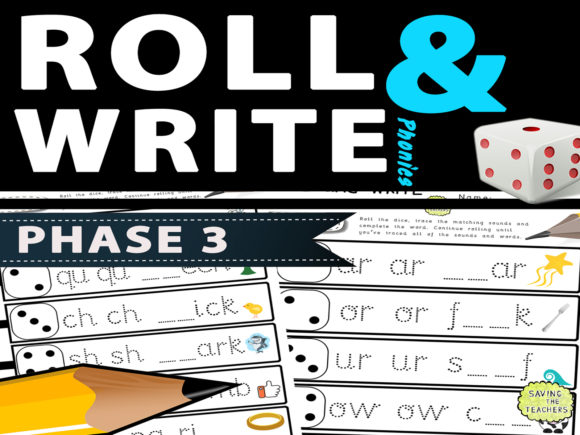
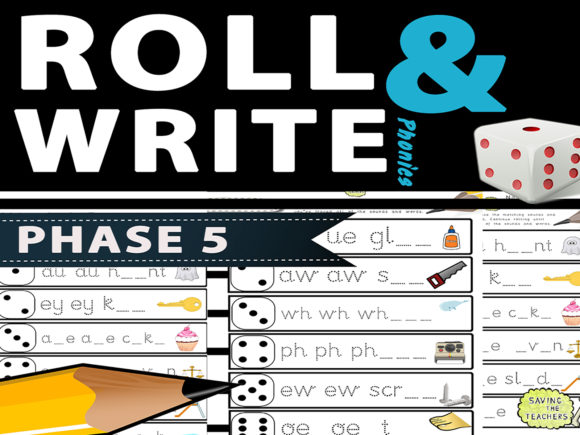
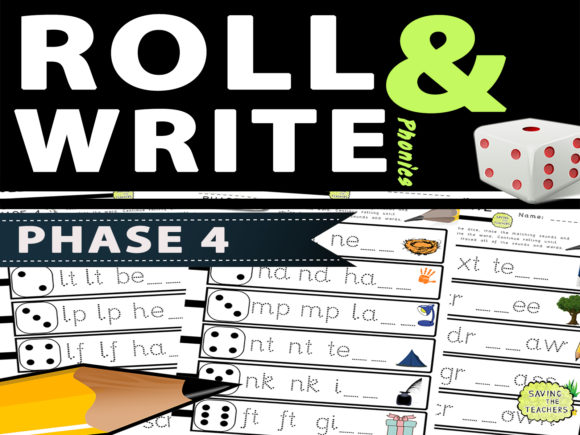
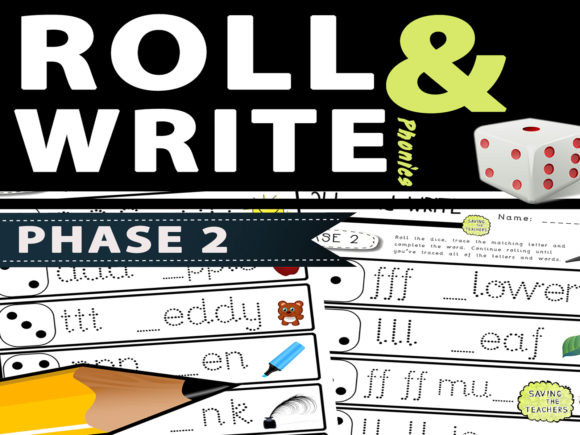
At its core, the Phase 2 Phonics Handwriting Dice Game invites children to roll a dice and trace the corresponding letters on an activity sheet. This simple yet effective mechanism encourages sound recognition, letter formation, and the development of fine motor skills—all essential components of early literacy. The game’s structure, which allows children to continue rolling and tracing until the sheet is complete, keeps engagement high while subtly reinforcing repetition and retention.
Why the Phase 2 Phonics Handwriting Dice Game Stands Out
What sets this resource apart in a crowded market of educational tools is its seamless integration of multiple developmental domains. Unlike traditional worksheets that focus on rote memorization, the Phase 2 Phonics Handwriting Dice Game introduces an element of chance and autonomy. Children take ownership of their learning journey by making choices—rolling the dice and deciding which letters to trace next. This sense of control fosters motivation and curiosity, two key drivers of lifelong learning.
Moreover, the game aligns with the principles of play-based learning, a pedagogical approach that is increasingly recognized for its effectiveness in early education. Research continues to support the idea that children learn best when they are actively engaged, emotionally invested, and physically involved. The act of tracing letters, combined with the kinesthetic experience of rolling a dice, supports multisensory learning that appeals to diverse learning styles.
Meeting the Needs of Modern Educators and Parents
In today’s fast-paced educational environment, professionals—from classroom teachers to homeschooling parents—are seeking resources that are both effective and easy to implement. The Phase 2 Phonics Handwriting Dice Game fits this need perfectly. It requires minimal preparation, making it ideal for morning routines, transition periods, or as a quick learning booster during downtime. Its reusable nature (especially when laminated or used with wipeable sheets) also aligns with growing preferences for sustainable, cost-effective teaching materials.
Additionally, the game supports the broader trend of differentiated instruction. Since children can work at their own pace and revisit specific sounds as needed, it accommodates varying skill levels within a single classroom. This flexibility is particularly valuable in mixed-ability settings where educators must balance individual needs with group activities.
Aligning with Broader Trends in Education Technology
While the Phase 2 Phonics Handwriting Dice Game is a physical resource, it reflects the growing emphasis on interactive and tactile learning experiences—a counterbalance to the increasing digitization of education. As edtech continues to expand, there is a renewed appreciation for tools that ground learning in the physical world. These materials provide essential sensory feedback and motor development opportunities that screen-based learning often lacks.
Furthermore, the game can be easily adapted or extended through digital integration. Educators can create complementary digital tracking sheets, incorporate audio cues for sound recognition, or even design augmented reality experiences that build on the physical dice rolls. This hybrid potential positions the game as a versatile asset in both traditional and blended learning environments.
Consumer Demand and Market Relevance
The growing popularity of the Phase 2 Phonics Handwriting Dice Game mirrors a broader consumer shift toward playful, purposeful learning tools. Parents and educators are increasingly aware of the importance of early literacy and are actively seeking out resources that make learning feel natural and enjoyable. This aligns with the rise of educational brands that emphasize child-led exploration, Montessori-inspired materials, and holistic development.
From a business perspective, the game represents a scalable, low-cost product that taps into the booming market for early childhood resources. As more parents and educators turn to online platforms for curriculum support, printable resources like this have become a go-to solution—offering instant access, adaptability, and ease of use.
Practical Implementation in the Classroom and Beyond
For educators, integrating the Phase 2 Phonics Handwriting Dice Game into daily routines can be both strategic and seamless. Here are a few practical applications:
- Morning Warm-Up: Begin the day with a quick 10-minute handwriting and phonics session to set a focused tone.
- Small Group Centers: Use the game in literacy centers to support differentiated instruction and peer collaboration.
- Homework Extension: Send printed sheets home as engaging homework that reinforces classroom learning without feeling like a chore.
- Progress Monitoring: Teachers can track student progress by reviewing completed sheets and noting areas that need reinforcement.
Parents can also use the game at home to support early literacy development in a relaxed, play-based environment. It encourages亲子互动 (qīn zǐ hùdòng), or parent-child interaction, which is vital for language acquisition and emotional bonding.
Conclusion: A Simple Tool with Lasting Impact
The Phase 2 Phonics Handwriting Dice Game may seem like a modest resource, but its impact is far-reaching. By combining phonics practice with fine motor development and independent decision-making, it supports multiple areas of early childhood growth. As the educational landscape continues to evolve, tools like this one remind us that learning doesn’t have to be rigid or screen-based—it can be tactile, playful, and deeply effective.
For professionals, creators, and entrepreneurs in the education space, the success of this game underscores a growing demand for resources that align with child development principles while meeting practical classroom and home needs. Whether you're a teacher looking for a new literacy center activity or a parent seeking engaging ways to support your child’s learning, the Phase 2 Phonics Handwriting Dice Game offers a compelling solution that’s both timely and timeless.