Phase 3 Phonics Handwriting Dice Game: A Playful Approach to Learning
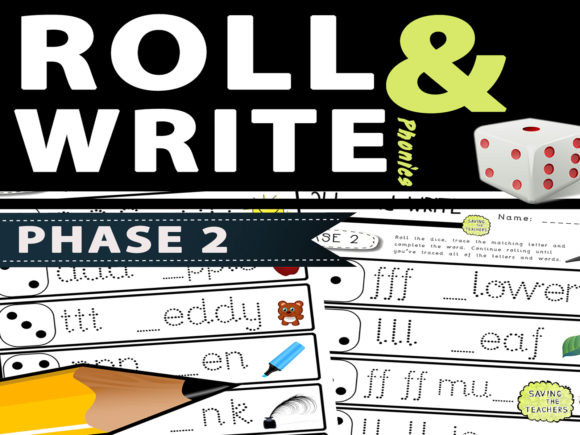
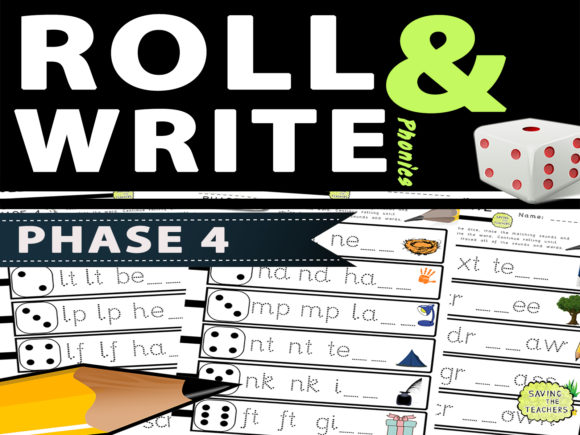
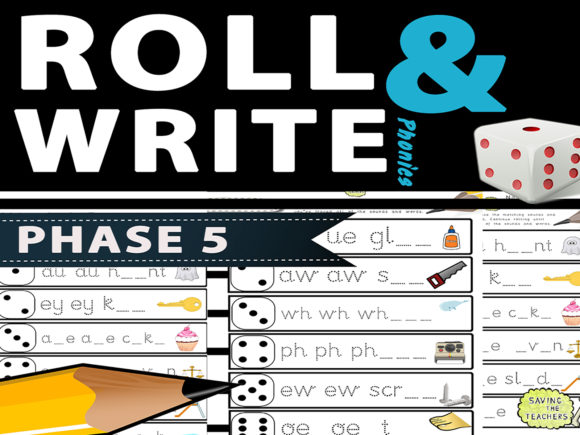
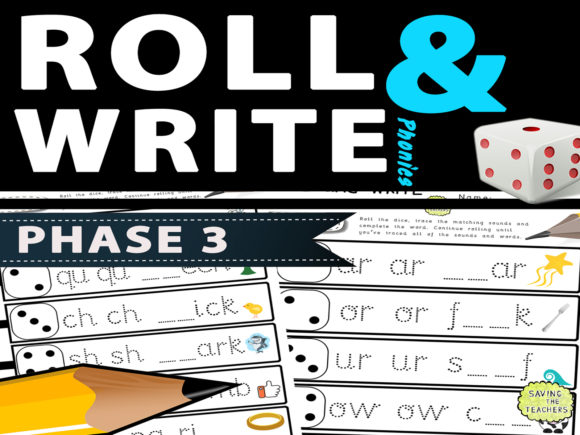
Children naturally learn through play, and the Phase 3 Phonics Handwriting Dice Game cleverly combines fun with foundational literacy skills. This hands-on activity invites young learners to roll a dice and trace the corresponding letter sounds on an activity sheet. As they engage with each roll, they're unknowingly strengthening their sound recognition, letter formation, and fine motor development. The game format makes the process of spelling and writing feel less like a lesson and more like a challenge to be enjoyed.
Why the Dice Game Works for Phase 3 Phonics
Phase 3 phonics introduces children to a broader range of sounds, including digraphs and blends, which can be challenging to master through traditional repetition alone. The dice game format introduces variety and unpredictability, keeping children engaged. Each roll determines which sound they’ll practice, making the learning experience dynamic rather than repetitive. The physical act of tracing letters reinforces muscle memory, which is essential for early handwriting development.
Blending Education with Engagement
One of the standout features of the Phase 3 Phonics Handwriting Dice Game is its ability to mask structured learning within a playful framework. Children don’t see themselves as students completing a worksheet; they’re players participating in a game. This subtle shift in perspective can significantly improve motivation and attention span, especially in early learners who may otherwise struggle with focused tasks.
Fitting into Modern Learning Trends
Today’s educators and parents are increasingly prioritizing interactive, multisensory learning tools that align with how children naturally absorb information. The rise of gamified learning platforms and tactile-based activities reflects a broader shift toward experiential education. The Phase 3 Phonics Handwriting Dice Game fits seamlessly into this trend by offering a low-tech, high-engagement solution that complements digital learning without competing with it.
Adaptable for Different Learning Environments
- Classroom warm-ups
- Home learning sessions
- After-school reinforcement
- Special education settings
Its flexible format makes it suitable for a variety of educational contexts. Teachers can use it as a morning activity to settle students into the day, while parents might integrate it into a structured homeschool routine. Because it encourages independent practice, it also serves as an effective tool for educators managing diverse learning needs in one space.
Evolving Needs in Early Literacy Education
As educational approaches evolve, so too do the expectations around early literacy development. In recent years, there's been a stronger emphasis on phonemic awareness and fine motor skills before formal writing instruction begins. The Phase 3 Phonics Handwriting Dice Game responds to this shift by providing a scaffolded, confidence-building experience that supports children at a crucial developmental stage.
Meeting Developmental Milestones
At this stage, children are not only learning to recognize and write letters but also beginning to understand how those letters combine to form words. The game reinforces this process by allowing them to practice each sound in isolation before applying it to a full word. This gradual progression aligns with current understanding of how children best absorb and retain new information.
Practical Implications for Educators and Parents
For educators, integrating the Phase 3 Phonics Handwriting Dice Game into daily routines offers a way to reinforce core skills without requiring extensive preparation. The activity sheets can be reused or printed in bulk, making it a cost-effective and time-efficient resource. Parents, on the other hand, can use it as a tool to support literacy development at home without the pressure of formal instruction.
- Minimal setup required
- No specialized materials beyond dice and printables
- Encourages self-directed learning
- Supports differentiated instruction
Real-World Application
Imagine a classroom where students start the day with a quick, engaging literacy warm-up. Each child rolls the dice, traces the corresponding sound, and fills in the missing letters of a word. Over time, these small, consistent interactions build confidence and fluency. At home, a parent and child can sit together for a few minutes, rolling the dice and discussing each letter sound, making learning a shared, positive experience.
Why It Stands Out in the Market
With so many educational products available, what makes the Phase 3 Phonics Handwriting Dice Game stand out is its simplicity and effectiveness. It doesn’t rely on flashy visuals or digital interactivity. Instead, it focuses on the fundamentals—sound-letter correspondence, handwriting practice, and word construction—through a method that is both accessible and engaging. This aligns with a growing preference among educators and parents for tools that are intuitive and grounded in proven learning principles.
Supporting Long-Term Learning Habits
Games like this one help foster a positive association with learning from an early age. When children view educational activities as fun rather than a chore, they’re more likely to develop intrinsic motivation and curiosity. These habits can carry over into later academic years, contributing to a lifelong love of learning.
Final Thoughts
The Phase 3 Phonics Handwriting Dice Game is more than just a literacy tool—it's a bridge between play and structured learning. By combining tactile writing practice with the unpredictability of dice rolling, it creates a learning experience that feels both fresh and familiar. Whether used in the classroom or at home, it offers a practical, engaging way to support children as they build essential reading and writing skills. As educational trends continue to shift toward more interactive and student-centered approaches, tools like this will remain valuable for both educators and families.