Wooden Oval Button for Users Game Interface: A Unique UI Design Element for App Development
Designing an intuitive and visually appealing user interface (UI) is a critical part of creating engaging mobile and web applications. Among the many elements that contribute to effective UI design, buttons stand out as both functional and aesthetic components. The Wooden Oval Button for Users Game Interface offers a distinctive option for developers and designers seeking a tactile, organic feel in their app interfaces. Unlike standard digital buttons, this design concept draws inspiration from physical materials and natural forms, blending usability with visual appeal.
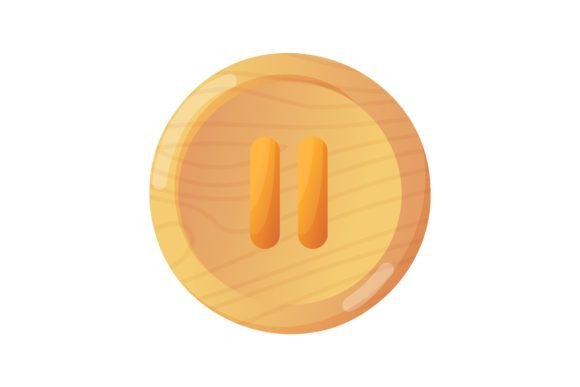
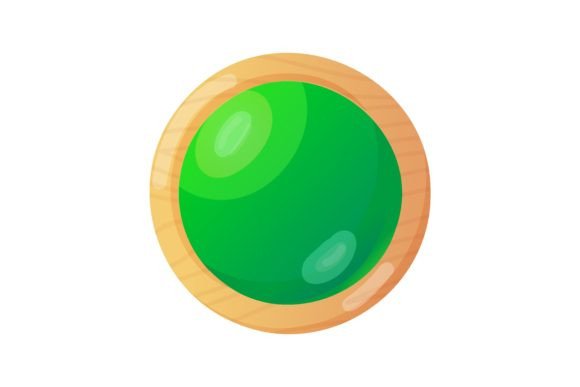
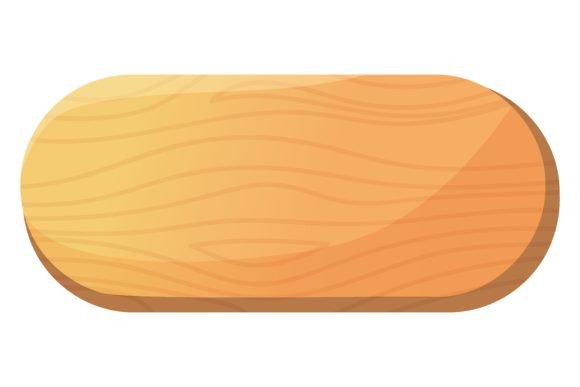
At its core, the Wooden Oval Button for Users Game Interface is a stylized interactive element that mimics the texture and curvature of real wood. Its oval shape provides a softer, more approachable alternative to angular or geometric button designs, making it especially suitable for applications with a playful, nature-inspired, or minimalist aesthetic. The wooden texture adds depth and warmth, contributing to a more immersive user experience, particularly in game interfaces or creative apps where visual tone plays a major role.
How the Wooden Oval Button Stands Out
While many UI buttons are flat, metallic, or glass-like in appearance, the Wooden Oval Button introduces a tactile visual language. This design choice can influence how users perceive interactivity and engagement. The material texture and curved shape suggest a gentle, approachable interaction, which can be beneficial in applications targeting younger audiences, casual gamers, or users who prefer a less rigid digital environment.
One of the key distinctions of the Wooden Oval Button for Users Game Interface is its ability to blend into both modern and retro-style interfaces. It works well in cartoon-style illustrations and panel-based UIs, especially when isolated on a white background for easy integration into various app themes. This adaptability makes it a versatile asset for UI designers who want to maintain a consistent visual identity across different app sections or platforms.
Comparing the Wooden Oval Button with Other UI Button Styles
When evaluating UI elements, developers and designers often compare different button styles based on usability, aesthetics, and integration potential. Standard digital buttons—such as rounded rectangles, floating action buttons, or skeuomorphic designs—each have their own strengths and limitations. The Wooden Oval Button sits at the intersection of realism and minimalism, offering a middle ground between stylized digital interfaces and tactile, material-based design.
- Flat Buttons: Common in modern UI design, flat buttons are clean and minimalist but can sometimes lack visual depth. The Wooden Oval Button, by contrast, offers a textured surface that adds dimension without overwhelming the interface.
- Skeuomorphic Buttons: These mimic real-world objects in detail, often requiring more visual processing. The Wooden Oval Button is more subtle, using texture and shape rather than full realism to convey materiality.
- Animated Buttons: While animated buttons add motion and interactivity, they can be distracting or resource-intensive. The Wooden Oval Button relies on static design to suggest interaction through visual cues rather than animation.
Strengths and Tradeoffs of the Wooden Oval Button
Like any design element, the Wooden Oval Button has specific strengths and limitations that should be considered in the context of the overall app design. Understanding these can help developers and designers determine whether this UI component is the right fit for their project.
Strengths
- Visual Appeal: The wooden texture and oval shape create a unique aesthetic that stands out from standard digital buttons.
- Versatility: Works well in both cartoon and semi-realistic interfaces, particularly in game design or creative applications.
- Approachable Design: The soft shape and natural texture can make the interface feel more welcoming and less technical.
- Easy Integration: Designed as an isolated element on a white background, it can be easily scaled and adapted to different UI layouts.
Tradeoffs
- Accessibility Concerns: In some cases, the wooden texture may reduce contrast or make the button text harder to read, especially for users with visual impairments.
- Thematic Fit: While versatile, the Wooden Oval Button may not align with all app themes, particularly those that are highly technical, corporate, or futuristic.
- File Size: Depending on the level of detail in the texture, this type of button may have a larger file size compared to simpler flat or vector-based buttons.
When to Choose the Wooden Oval Button
The Wooden Oval Button for Users Game Interface is best suited for projects that prioritize visual storytelling, emotional engagement, and a tactile aesthetic. It’s particularly effective in games or educational apps aimed at children, nature-themed applications, or lifestyle apps that want to convey warmth and simplicity.
For example, a mobile game with a forest or rustic theme could use the Wooden Oval Button to maintain a cohesive visual style across menus and interactive elements. Similarly, a meditation or wellness app might use this button to create a calming, organic interface that aligns with its content.
However, if the app requires a more streamlined, modern, or high-contrast interface—such as in productivity tools, financial apps, or enterprise software—other button styles may be more appropriate. In such cases, designers might opt for flat buttons, glassmorphism styles, or even animated interactive elements to match the app’s tone and functionality.
Practical Integration Tips
When incorporating the Wooden Oval Button for Users Game Interface into a UI design, it’s important to ensure consistency in scale, color, and placement. Here are some practical considerations:
- Color Harmony: Use complementary colors for text and background to ensure readability against the wooden texture.
- Spacing and Layout: Provide adequate white space around the button to avoid visual clutter, especially in dense UI panels.
- Responsive Design: Test the button across different screen sizes and resolutions to ensure it remains legible and functional.
- Accessibility Standards: Consider adding subtle outlines or hover effects to improve visibility for users with low vision or color blindness.
Final Thoughts
The Wooden Oval Button for Users Game Interface offers a refreshing alternative to conventional UI buttons, blending tactile aesthetics with functional design. While it may not be the ideal choice for every app, it serves as a compelling option for developers and designers looking to create warm, approachable interfaces that stand out in a crowded digital landscape. By understanding its strengths, limitations, and best-fit scenarios, UI professionals can make informed decisions about whether this unique design element aligns with their project’s goals and user experience strategy.